
BJJ Gear & Wisdom | Gear & Training Guide
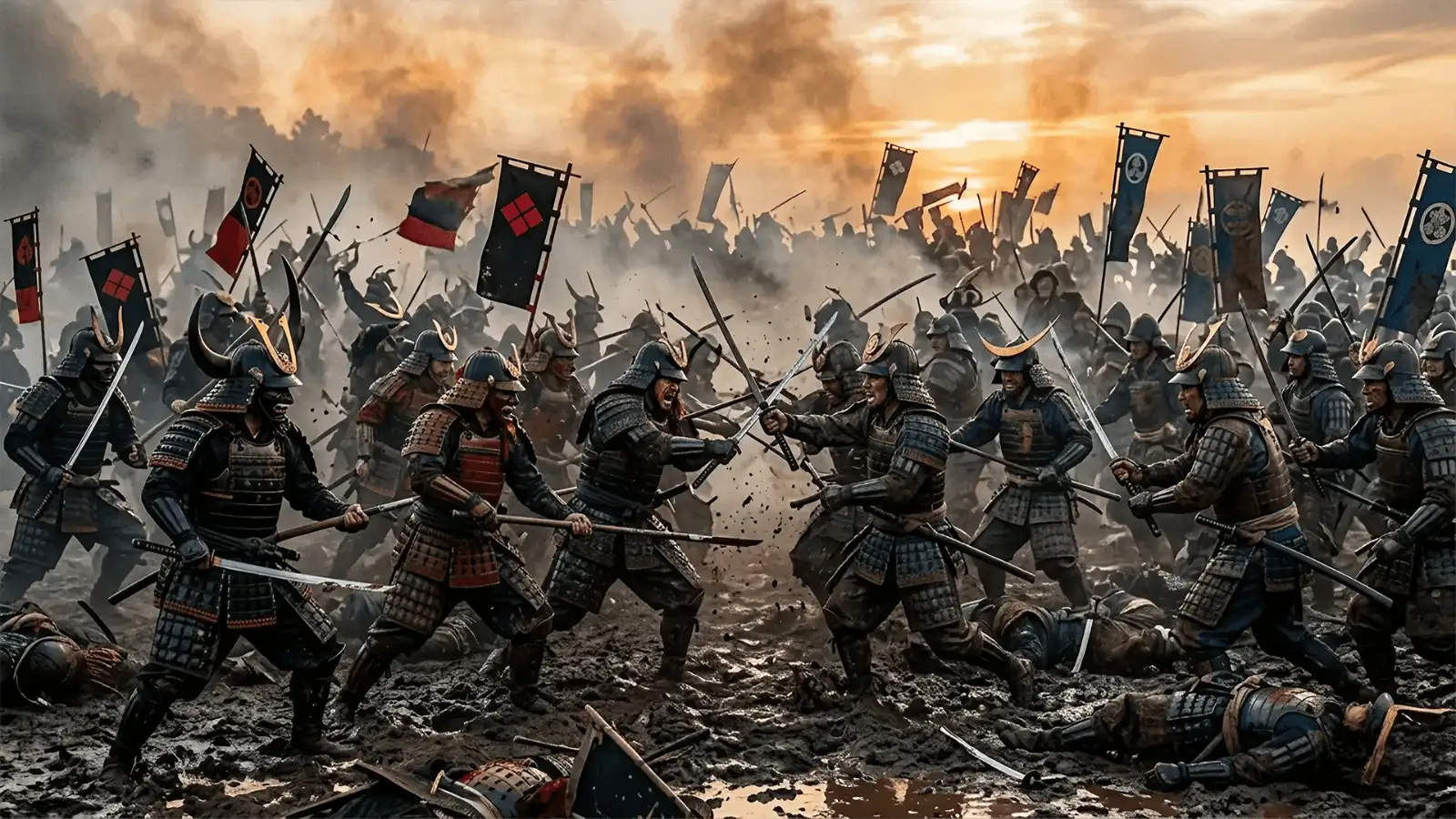
Explore Jiu Jitsu roots — from samurai traditions to modern Brazilian Jiu Jitsu
This discipline builds character and confidence, promoting both physical resilience and peaceful conflict resolution.
Brazilian Jiu Jitsu (BJJ), which evolved from traditional Japanese jujutsu through Kodokan Judo, is one of the most effective systems for self-defense and sport.
It emphasizes control and leverage, making it a tactical choice in both sport and self-protection.

This question brings us into the vibrant realm of martial arts traditions.
It is a treasure trove of techniques, philosophies, and dedication from those who have transformed inspiration into pursuit of personal refinement.
Their passion and effort permeate every move as they strive for perfection.
Among many styles of Jiu Jitsu, we focus on Brazilian Jiu Jitsu (BJJ). A special spotlight falls on Gracie Jiu Jitsu (GJJ), which holds a strong global influence.
Join us to explore the rich heritage, innovation, and endless inspiration of warriors in their unwavering dedication to refinement and growth.
For BJJ Gear & Wisdom, it’s more than just a principle—it’s a way of life where we live, train, and strive each day to improve.
This is your opportunity to grow and step into a world where martial arts enrich both body and mind.
Whether you’re a seasoned fighter or just beginning your journey, I bring 41 years of experience to help refine your skills and deepen your understanding.
By honoring the legacy of long-time devotees of this noble art, I aim to inspire you to reflect on the ideas of sages and visionaries.
These ideas, while perhaps already familiar to you, may not yet have become part of your practice.
At the same time, I want to introduce new enthusiasts to the magical world of great minds—generations whose tireless spirit and innovations have woven a wealth of knowledge that builds our inner strength and peak conditioning.
On this exciting journey, we will explore the fascinating roots of Brazilian Jiu Jitsu by uncovering its fundamental principles and philosophies.
Understanding and applying these elements offer numerous benefits:
Through this exploration, we will discover the comprehensiveness of our beloved discipline.
It unites technical skills with spiritual development. This harmony of art and sport reminds us that each setback and failure are essential parts of the path to success.
💡Continual learning and staying physically active are fundamental to psychophysical advancement, as it is only through this process that we can reach our full potential.
💡 By learning to recognize challenges and respond strategically, we develop the ability to turn them into pivotal turning points.
These trials may come from sparring partners, competition opponents, or various other trials. In any case, they become opportunities to establish dominance.
Each challenge on the tatami is not merely an obstacle to overcome; it is a lesson in inner fortitude, a guiding light that leads us through individual paths, even beyond ideal conditions.
This quality takes many forms, each essential to our overall progress and our ability to handle everyday challenges.
Mutual help and support in the pursuit of becoming the best version of ourselves are only the beginning of a much larger spectrum of benefits.
For these reasons, and many other shared values, the club you belong to becomes much more than just a group of individuals with shared interests.
The club fosters a sense of belonging in an environment where everyone feels at home, within the warmth of a family-like atmosphere.

💡 This sense of community is one of the greatest privileges of any sport: creating friendships that last a lifetime.
Our approach is different—we’re building a community that nurtures the philosophy and culture of Brazilian Jiu Jitsu, offering you a level of value enriched with details that reward the attentive, the patient, and the persistent:
This is just the beginning. We’ll keep growing this site as promised—because a promise is a debt.
Want to keep growing your skills, mindset, and knowledge?
Join our free mailing list and get access to:
A special bonus, exclusively for our email community.
In this engaging digital edition — designed to flip like a real book with just a click — you’ll discover a powerful approach to executing techniques that most practitioners aren’t even aware of.
While the essence of this principle tends to develop intuitively over years spent on the mat, progress becomes lightning-fast once you start applying it consciously.
This is not just another “10 quick tips” guide.
This is a shift in perspective — and one of the most valuable BJJ resources we’ve ever created.
👉 Get Free Access to a Game-Changing Concept — available only to our email community.
🔒 100% privacy. No spam — ever. Unsubscribe anytime.
📬 Got a question or idea? Reach out anytime:
📩 contact@bjjgearandwisdom.com
As a beginner, you will quickly discover how the principles behind this discipline not only fit perfectly into everyday circumstances but also allow you to:
The challenge becomes a step toward becoming the best version of yourself, providing an opportunity to learn appropriate responses in stressful situations.
We will illustrate how practical defense can be applied in everyday scenarios — when facing behavior that may be challenging or threatening.

Achieving the coveted Black Belt in Brazilian Jiu Jitsu is a significant milestone for any practitioner.
However, for many beginners, earning the blue belt is the first major achievement and often the most exciting moment in their journey.
It symbolizes a foundational understanding of key principles and marks the transition from novice to intermediate level.
Each academy has its own policy for awarding the blue belt, which typically includes building a solid foundation through regular attendance and dedicated learning.
On the path to the Black Belt, athletes progress through various skill levels represented by the hierarchy of belts.
Each belt, from white to black, symbolizes the refinement of fundamentals, understanding of strategies, and commitment to continuous improvement.
Key milestones include the blue belt, where students develop positional mastery—learning to manage scenarios like side control and mount—alongside submissions such as the armbar and triangle choke.
A clear understanding of these elements is essential for meaningful progression and success in BJJ.
Guard positions play a crucial role, offering a base for both regulation and attack.
For example:
Mastering transitions between these guards helps athletes stay in command and adapt effectively to an opponent’s movement.
Through consistent controlled sparring and movement analysis, these positions and transitions become more than just tactics — they start to form a kind of physical dialogue between partners.
This type of learning requires close contact, as submissions and transitions are best absorbed through direct application.
I’d describe it as a universal language of movement, where each guard, position, and action conveys a specific message in combat.
This language allows fighters to communicate without words, relying instead on their movements and strategies.
Earning a Black Belt not only symbolizes deep mastery but also prepares dedicated learners to compete in high-level championships, representing their schools and regions.
Advancing to the coveted Black Belt often requires adherence to strict policies set by governing bodies, ensuring candidates meet both technical and ethical standards.
This journey is a transformative process that instills discipline, resilience, and a deep understanding of the craft. Each stripe earned along the path reflects progress and commitment, marking a unique stage in one’s development.
Regardless of where you are in your journey, the pursuit of a Black Belt is an aspiration that ties all BJJ enthusiasts together, connecting them through shared values and a love for the art.
Every step you take on the path to the Black Belt builds not just skill, but character, resilience, and lifelong connections.
Don’t forget, time spent on the tatami is time invested in yourself.
The strategies and wisdom of a renowned Chinese military strategist, theorist, and philosopher, whose ideas have remained relevant for centuries and have been adopted by many military and business leaders, reveal a profound truth:
💡 “The only true victory is victory without fighting.”
This philosophical concept can be key to overcoming situations without escalating into bodily or verbal confrontation.
Whether in sparring, tournaments, or everyday moments, applying these principles teaches us how to develop resilience, not only through preparedness but also through mental agility and emotional balance.
💡 The strategy of exhausting an opponent to the point where they lose the will to continue reflects this philosophy.
When wisely applied, the principles of Jiu Jitsu reveal that across all domains of experience—whether in business, personal relationships, or combat—true power lies in how we manage conflict, not in direct confrontation.
These principles, along with many others, will be explained in detail in the following pages, offering you insights and strategies you can apply both in the arena and in day-to-day reality.
Why do bullies rarely train martial arts?
Why do individuals prepared for personal protection seldom find themselves in escalated conflicts?
These are topics we’ll explore further as part of this journey.
After merely scratching the surface of what Brazilian Jiu Jitsu represents—both within and beyond martial arts—we invite you to join us in exploring its rich history.
Discover the evolution of this dominant art, which traces its roots through a variety of martial traditions. It has been reshaped over centuries, from Japan, through adaptations in Brazil, to its form in modern settings.
Its history is an inspiring and interwoven story that spans Eastern martial schools, the transcontinental transmission of knowledge, and innovative adaptations, culminating in the forms we know today.
It is a method of combat celebrated internationally for its depth, technical sophistication, and effectiveness, continuously enriching lives and deepening philosophies in alignment with how it is practiced.
In some of the oldest known murals found in remote Buddhist temples, monks are depicted in fluid motion — gestures that reflect the grace and precision of ancient martial arts.
These monks, devoted to their principles of peace and non-violence, faced with the dangers of the road, developed a unique form of martial art that uses the strength of their opponents against them.
This art, whose principles would later influence systems such as Jujutsu and eventually Jiu Jitsu, was not merely a means of self-defense, but also a deeply spiritual practice, reflecting Buddhist teachings of harmony and balance.

At dawn, monks would gather in temples where, under the soft glow of lanterns, they would train in their secret movements.
The sounds of their movements were barely audible, their feet lightly touching the cold stone floors of the temple.
While unrest and conflict raged outside, within the temple walls, silence prevailed, allowing the monks to focus their thoughts and movements toward inner peace.
Through each motion, the monks sought to transcend the material dimension of their existence.
Each defense, every movement, was a meditation in motion — a reflection of their dedication to living in harmony with nature and responding to aggression with moderation, balance, and control.
They learned to recognize and use the energy of their opponents, redirecting it so precisely that it protected both themselves and their attackers from unwanted injuries.
These ancient methods were passed down from generation to generation, from temple to temple, slowly spreading beyond the borders of India into China, where they further evolved and were shaped within the context of Chinese martial traditions.
When these principles reached Japan, they were adopted and refined by the samurai, who valued them as both effective strategies and tools for spiritual refinement.
Today, Jiu Jitsu practitioners on different continents explore not only throws, holds, and counters, but also the deeper philosophy behind them.
With each step onto the tatami, they continue a tradition that is not just a martial art but a path to inner peace and harmony with their surroundings.
The teachings of the Buddhist monks echo through the centuries, reminding each student that true power lies in the ability to recognize that, at their core, conflicts can become opportunities for growth and understanding.

The samurai were warriors who served various daimyos (feudal lords).
Trained primarily in armed combat and protected by armor, they also developed close-range tactics from early on.
Initially focused on practical grappling in armor (kumiuchi), these tactics evolved over time—integrating foreign influences and advancing into refined systems of throws, joint locks, and positional control, both standing and on the ground.
The goal remained clear: to neutralize any opponent, armed or not.
Their reality, wrapped in heavy armor and dependent on the sharp blade of the sword, required more than simply might or skill—it demanded depth of insight and clarity of purpose.
This ancient discipline flourished — not only as a martial art, but as a path to deeper, intuitive insight into combat, transcending the very boundaries of conflict.
The following categories reflect the developed systems of jujutsu as practiced and formalized during the late Sengoku and early Edo periods, when samurai sought effective methods for close-quarters combat — often without the use of weapons.
In every encounter — whether facing an armed opponent or an unexpected duel without weapons — the samurai applied jujutsu methods with a unique blend of precision, self-control, and determination.
The samurai were guided in each motion, every technique, and all moments of confrontation by the The Bushido Code — The Way of the Warrior.
This code was not merely a set of rules; it was a reflection of the samurai’s soul, woven into all aspects of their lives.
From the reverence and care they showed to their katanas — more than simply weapons, they were extensions of their will — to the sakura (cherry blossom), a symbol of life’s transience, teaching them to live in the present with courage and honor.
In this rich tapestry of samurai tradition, the tea ceremony was not merely a break for rest or a gesture of hospitality; it was a vital part of their dedication to inner peace and discipline.
By calming their spirit, the samurai allowed their minds to freely explore the vast depths of their being, shedding light on their deepest secrets and confronting their weaknesses.
This ceremony was yet another method to understand and transform their spiritual state, opening the path to true inner change and enlightenment.

In addition to studying fighting and maintaining strict discipline, the samurai practiced meditation as a means of refining the mind and spirit.
Through meditation, they developed the ability to remain calm and focused in any situation—a skill essential not only on the battlefield, but throughout the flow of everyday experience.
This practice helped them master their thoughts and emotions while deepening their understanding of themselves, as well as the principles that shape the universe.
Meditation, therefore, was much more than simply a relaxation practice; it was a crucial component of the samurai’s quest for wisdom and inner peace.

Seppuku, also known as hara-kiri, is a form of ritual suicide that was the ultimate expression of samurai honor.
This act was performed by samurai to restore or protect their honor after disgrace or failure. It was an extremely solemn ritual, carried out with great ceremony.
One of the most famous examples of seppuku is the story of the 47 Ronin, who performed the ritual after avenging the death of their master, Asano Naganori.
As part of this solemn ritual, samurai traditionally wore a white kimono—a symbol of purity and readiness for death with honor.
The official who insulted Asano Naganori, and whom the 47 Ronin avenged, was Kira Yoshinaka (also referred to as Kira Kozuke-no-Suke).
Kira held an important role at the Shogunate court, and the conflict between him and Asano arose during preparations for the reception of an imperial envoy.
Kira was allegedly offended because Asano did not offer a sufficiently large gift, as was customary, and publicly humiliated him.
In response, Asano attacked Kira, leading to Asano’s execution and the eventual revenge carried out by his loyal samurai, the 47 Ronin, knowing their actions would inevitably lead to their deaths.
This act symbolized their deep loyalty and sacrifice, in accordance with the Bushido code.
The attack took place on December 14, 1702. Every year on this date, people gather at Sengaku-ji Temple in Tokyo, where the 47 Ronin are buried beside their lord, to honor their memory during the Gishisai festival.
Jujutsu, therefore, was not merely a collection of tactics to neutralize opponents, but a living expression of samurai philosophy, an art intertwined with deep reflections on life, death, honor, and duty.
This ancient path, originally forged in the harsh realities of feudal Japan, remains a timeless call to understand and apply the minimal necessary force — a force that not only conquers opponents, but also triumphs over inner demons.
The samurai developed and perfected Jujutsu to the highest levels of mastery because their lives depended not only on the outcomes of battles, but also on their ability to survive.
Every detail was meticulously refined, as the samurai warriors, with unwavering dedication, understood that in the hands of a master, this traditional system became more than a technique—it became a means of survival and a path to a deeper understanding of the world.
At the core of each method of this ancient tradition lies not only mechanical precision but also philosophical depth.
The samurai did not merely develop skills to control their opponents; they cultivated mastery over their internal fears and weaknesses.
This internal struggle, woven into all physical encounters, is key to understanding why these traditional methods were developed with such detail and dedication.
For the samurai, battle was not only a test of combat readiness and technical preparation — it was mental, emotional, and spiritual.
This profound integration of diverse fighting approaches into the samurai’s everyday routine and spiritual practices made Jujutsu exceptionally effective and formidable.
More than simply defeating an opponent, this ancient way embodied the highest values, such as honor, courage, and emotional composure.
The Bushido code not only guided the samurai in combat but also shaped every aspect of their lives — from daily routines to artistic expressions and spiritual rituals: the tea ceremony, zazen meditation, haiku poetry, and many others.
Through these writings, my ultimate goal is to emphasize the importance of overcoming inner fears and weaknesses—both for younger generations, who are yet to face the full challenges of the complexities of today’s world, and for older ones, to whom I wish to offer a path toward greater well-being.
I aim to illuminate the path to true inner growth so that everyone can navigate their journey with confidence, regardless of external circumstances.
It’s important to note that this is not about following a specific religion, which may be valuable to believers, but about a deeper understanding of how the human mind and body function.
Through historical and current examples, I aim to show how the proper study of Jujutsu and martial arts can provide tools to help us navigate all aspects of contemporary life and various spheres of society.
Dedication to the development of our inner being through various forms of education and the proper practice of sports can help us tame the ego, transforming it into a tool that serves us rather than working against us.
Whenever a samurai faced an opponent, it was a moment where years of training, philosophical reflection, and spiritual dedication revealed themselves through each move.
Jujutsu was not merely a martial art; it was a lifestyle that united the mind, body, and spirit into a harmonious whole that transcended the greatest fear—the fear of survival—giving one’s existence a deeper purpose.
This ancient tradition evolved and was perfected, making it not only effective in conflict scenarios but also a reflection of the samurai’s soul and inner code of values.
How traditional Jujutsu transformed into Brazilian Jiu Jitsu under the influence of great masters like Mitsuyo Maeda.
During the peaceful Edo period (1603–1868), this historical heritage underwent significant evolution.
The reduced need for military conflict led to the establishment of numerous schools (ryu), each with its unique techniques and tactics.
This shift contributed to a philosophical evolution toward more sophisticated and less aggressive forms of defense, laying the foundation for the future refinement of this sophisticated system.
At the end of the 19th century, Judo emerged as a significant evolution of Jujutsu, thanks to the vision of Jigoro Kano.

Photograph of Jigoro Kano, circa 1892.
Source: Wikimedia Commons, licensed under CC BY-SA 4.0.
Kano founded Judo in 1882, emphasizing physical, moral, and emotional education.
His concept of the “gentle way” eliminated many of the more dangerous techniques of the traditional system, promoting efficiency and safety.
Besides Judo, other martial arts also evolved from Jujutsu, including:
Through all these transformations, the essence of Jujutsu — as a path of self-overcoming, honor, and inner balance — remains alive, adapted to the times, yet true to its origins.

Judo significantly contributed to global popularization. Its principles and techniques became one of the foundations for the emergence of Brazilian Jiu Jitsu, allowing it to evolve and spread in Brazil.
At the beginning of the 1900s, several Japanese martial arts masters arrived in Brazil, teaching Judo and Jujutsu and laying the groundwork for the later rise of Brazilian Jiu Jitsu (BJJ) and Gracie Jiu Jitsu (GJJ).
Directly stemming from Kodokan Judo and Jujutsu, these techniques were passed on by Mitsuyo Maeda (also known as Conde Koma) to Carlos Gracie after arriving in the country in 1914.

Photograph of Mitsuyo Maeda (Conde Koma), early 1900s.
Source: Wikimedia Commons, licensed under CC BY-SA 4.0.
Gastão’s eldest son, Carlos Gracie, attended one of the demonstrations held by Mitsuyo Maeda at the Da Paz Theater in Belém, where Maeda was showcasing Japanese “jiu jitsu,” which was actually a form of Kodokan Judo.
Inspired by what he saw, Carlos expressed a desire to learn the discipline.
As a gesture of gratitude for Gastão’s support, Maeda took on the role of mentor, while one of his students, Jacyntho Ferro, became Carlos’s instructor.
The techniques Carlos learned later evolved — through experience, experimentation, and adaptation within the Gracie family — and contributed to the development of what is now broadly known as Brazilian Jiu Jitsu, alongside other influential practitioners and lineages.
In addition to Mitsuyo Maeda, another significant figure in the rise of Brazilian Jiu Jitsu was Geo Omori, who taught Jujutsu in the country.
Omori was one of the first Japanese instructors to arrive in Brazil — prior to Maeda — and opened a school in São Paulo at the beginning of the 1920s.
His disciples continued to spread this heritage, contributing to the evolution of self-defense practices in the Land of the Amazon.
Luiz França, who played a crucial role in the development of BJJ, was a student of Mitsuyo Maeda, not Geo Omori.
Other Japanese masters, such as Takeo Yano and Kazuo Yoshida, also played key roles in inspiring Brazilian practitioners.
In addition to the Fadda lineage, four major branches of Brazilian Jiu Jitsu emerged in Brazil, all tracing their origins back to Mitsuyo Maeda:
Each of these branches has its unique approach and methodology, but they all share common roots in Maeda’s teachings.
Oswaldo Fadda, a disciple of Luiz França, gained fame for challenging the Gracie family’s dominance in Brazilian Jiu Jitsu during a series of indoor fights held in Rio de Janeiro in 1955.
This confrontation, later referred to as the Fadda vs. Gracie Challenge, became one of the most talked-about rivalries in BJJ history.
Fadda’s practitioners demonstrated exceptional skill in footlock techniques, leading to several notable victories over representatives of the Gracie academies.
Although Hélio and Carlos Gracie did not take part in the matches themselves, it was their students who suffered defeat.
However, while Fadda’s team achieved significant wins, this did not indicate consistent dominance over the Gracie lineage.
França was instrumental in spreading Jujutsu among the poorer classes of society, and his disciple, Oswaldo Fadda, continued this tradition.
Fadda is remembered for expanding Brazilian Jiu Jitsu beyond elite circles and introducing innovative techniques, particularly those involving footlocks.

Photograph of Carlos Gracie, early 20th century. Source: Wikimedia Commons, licensed under CC BY-SA 4.0.
Carlos played a pivotal role in spreading what he had gained directly from Mitsuyo Maeda.
He began teaching his brothers, including Helio, who later adapted the methods to suit his smaller physique.
Helio refined existing practices to make them accessible and effective for individuals with less strength, emphasizing leverage and precision.
The Gracie brothers organized public demonstrations and issued open challenges, where members of the Gracie family invited athletes from other disciplines to prove the superiority of their style.
They faced opponents from various schools, showcasing the effectiveness of their techniques in real situations.
Many of these contests were fought under vale tudo rules, meaning “anything goes,” which served as a precursor to modern Mixed Martial Arts (MMA).
While the bouts were technically without rules, there were some unwritten agreements, such as avoiding attacks on the eyes or groin.
Carlos was the first member of the Gracie family to open a Jiu Jitsu school in the country, offering structured classes and spreading the technique through his academy.
His approach to teaching and commercializing this art helped create a recognizable brand.
The Gracie family utilized media to promote Brazilian Jiu Jitsu, leveraging documentary films, television shows, articles, and books.
Their ability to promote themselves significantly contributed to their dominance and becoming the recognizable leaders in this fighting system.
Helio Gracie gained fame for these challenges, often facing much larger and heavier opponents.
These matches frequently attracted attention from local communities and the media.
Brazilian Jiu Jitsu owes much of its international growth to structured championships like the IBJJF World Jiu Jitsu Championship and Abu Dhabi World Pro, attracting thousands of athletes each year.
Organizations such as the IBJJF establish unified policies for rules, belt categories, and event procedures—ensuring consistency and transparency across global competitions.
These efforts include strict data protection policies that safeguard competitor information, helping build trust and professionalism throughout the sport.
While the Gracie family began promoting BJJ through local challenges and demonstrations in Brazil, their influence grew significantly during the mid-20th century and beyond, especially with their expansion into the United States through high-profile martial arts events and public exposure.
This exposure helped Brazilian Jiu Jitsu become an internationally recognized and widely practiced martial art.
The distinction between the terms “Jujutsu” and “Jiu Jitsu” can often cause confusion, but they are not complete synonyms, despite both referring to similar martial arts.
The primary difference lies in the period and location of development, as well as linguistic differences between the Japanese and Western adoption of these expressions.
Jujutsu (柔術) is the traditional Japanese word, which translates to “the art of softness” or “the art of yielding.” It refers to an ancient Japanese martial art that includes various skills, such as throws, joint locks, strikes, and other methods that use the opponent’s force against them.
Jiu Jitsu is the Western transliteration of the Japanese word Jujutsu. It emerged when these methods were first introduced to Western countries. While the labels sound similar, in current contexts they are often used to distinguish between the traditional Japanese system and newer, adapted forms practiced outside Japan.
Brazilian Jiu Jitsu is the most well-known Western system using the name “Jiu Jitsu,” but other variations also use the designation, often to link their practices to Japanese roots, despite evolving or adapting in new environments.
Here are some examples:
Gracie Jiu Jitsu (GJJ) was initially trademarked by Rorion Gracie. However, after a prolonged legal battle with his cousin Carley Gracie, the right to the name was contested, and a compromise was eventually reached.
Other members of the Gracie family, to differentiate their methods, use personalized names such as Caesar Gracie Jiu Jitsu and Renzo Gracie Jiu Jitsu. Similarly, the Machado family uses the name Machado Jiu Jitsu (MJJ) for their system.
While each of these variations has its unique characteristics and methods, they all remain fundamental adaptations of Brazilian Jiu Jitsu, which evolved from the original techniques taught by Mitsuyo Maeda.
Brazilian Jiu Jitsu is a broad term encompassing all approaches and schools of Jiu Jitsu developed in Brazil, including Gracie Jiu Jitsu.
It emphasizes the sporting aspects of combat, with a wide range of skills and strategies for competition.
Gracie Jiu Jitsu, on the other hand, is a specific branch within BJJ, focused on self-defense and practical application in real-world situations, developed primarily by the Gracie family.
Gracie Jiu Jitsu, also known as the Gracie Jiu-Jitsu Self Defense System, places greater emphasis on personal protection and practical application.
This system was developed by Carlos Gracie and his brothers, particularly Helio. Helio, being smaller in stature, adapted existing Judo techniques to focus more on leverage and ground maneuvers, where strength is not the determining factor.
The innovative mindset of the Gracies enabled smaller and physically weaker individuals to successfully defend themselves against much stronger opponents, primarily through ground maneuvers and precise positioning.
While this concept was not exclusively theirs, the Gracies became famous for their methodology and promotion of these skills.
They particularly emphasized ground fighting and positional dominance, enabling smaller competitors to neutralize the advantages of larger opponents.
One of the key principles of this artful performance is to limit a heavier and stronger opponent’s movement and striking ability by bringing them to the ground and using timely weight shifts to manipulate their movement.
Sometimes, a well-executed throw can be enough to end a confrontation, especially in the context of personal protection.
When a practitioner is well-prepared both tactically and technically, maintaining control on the ground becomes a defining factor—making it essential to consistently train techniques that create and sustain this advantage.
Throwing an opponent in a manner that disables them without causing severe harm is an essential principle, and I will explore this topic in more detail later.
In Brazilian Jiu Jitsu terminology, throws often retain their original Japanese names, but students frequently use these expressions without translation.
Here are a few examples:
These are only a few examples of the hundreds of throwing variations practiced in this discipline.
In BJJ, the use of original Japanese expressions preserves the authenticity of these forms as passed down from Judo, although some instructors may use English terms to simplify understanding for beginners.
These expressions are widely recognized in the international community and at major tournaments.

Photograph of Rorion Gracie. Source: Wikimedia Commons. License: CC BY-SA 4.0.
The global martial arts community was largely unaware of Brazilian Jiu Jitsu until the early 1990s, when the Gracie family helped create the Ultimate Fighting Championship (UFC).
Before the rise of this groundbreaking organization, most competitions focused on specific styles, such as boxing, karate, judo, or wrestling, where the rules were strictly defined within each discipline.
While there were occasional matches between different approaches, they were not organized in the manner this new platform would later establish.
The Gracie family played a key role in the creation and expansion of this mixed martial arts arena, with Rorion being the central figure in this process.
Rorion, the eldest son of Helio Gracie, moved to the United States in the 1970s with the ambition of spreading Brazilian Jiu Jitsu beyond Brazil’s borders.
In America, Rorion promoted BJJ through seminars, classes, and demonstrations.
His vision was to create a platform where different martial arts could be tested under real conditions, without the limitations commonly found in traditional sporting events.
This vision led to the creation of the first mixed-discipline tournament, where participants from various backgrounds could compete, demonstrating the effectiveness of their movements in the most realistic scenarios possible.

Photograph of Hélio Gracie, 1952.
Source: Brazilian National Archives, via Wikimedia Commons.
Public domain.
Although Helio spent the majority of his years in Brazil, where he continued teaching and refining his personal style, he frequently traveled to the United States to support his sons and promote Brazilian Jiu Jitsu.
Helio’s presence at tournaments and major events in the U.S. played a significant role in its international spread and rising popularity.
Rorion’s first students in the U.S. were acquaintances and their friends.
The appeal of this unique discipline, combined with his invaluable expertise, quickly attracted an increasing number of enthusiasts who began to visit his academy.
Rorion Gracie founded the Gracie Jiu Jitsu Academy in California and began organizing demonstrations and seminars across the country.
He was also the co-author of the book “Gracie Jiu Jitsu” and produced a video series that explained BJJ in detail.
The insights I gained during that seminar were priceless. I’ve said this many times before:
Focusing on details is key.
Mastery in martial arts isn’t solely about strength and power—though they are necessary at the right moment—the key lies in the details.
Many people might say, “Great, but what’s new about that?”
When you watch sparring, you’ll notice that nearly 70% of students, when faced with obstacles in applying a specific maneuver, tend to rely on force rather than seeking a technical or tactical solution.
Why does this happen?
Why is it essential to overcome this approach?
How can we achieve it?
The answers are embedded in nearly every sentence of these texts, conveying principles that have been refined and tested over centuries, in both wartime and peacetime conditions.

Photo of Royce Gracie. Source: Wikimedia Commons. License: CC BY-SA 4.0.
For the first tournament in 1993, Rorion Gracie chose his brother Royce Gracie to represent Brazilian Jiu Jitsu.
The choice of Royce was strategic; he was not the biggest or strongest member of the family. This decision was meant to showcase how the art empowers smaller and weaker individuals to defeat physically stronger opponents.
Competitors must adhere to strict policies regarding uniforms, weight classes, and acceptable techniques, as outlined by organizations like the IBJJF, the primary global organization setting competition rules, belt rankings, and event regulations for Brazilian Jiu Jitsu worldwide. Learn more on their official site. (https://ibjjf.com/)
These regulations ensure professionalism, fairness, and adherence to privacy standards during event registrations and data handling.
This promotes a high standard of competition and ensures that each event is conducted with integrity.
High-level championships in Brazilian Jiu Jitsu are governed by strict rules regarding uniforms, weight classes, and allowed techniques, as set by the IBJJF (International Brazilian Jiu Jitsu Federation) — the main global organization responsible for competition rules, belt rankings, and event regulations.
One of the most prestigious events they organize is the IBJJF World Jiu Jitsu Championship, commonly referred to as the Mundials. These policies ensure professionalism, fairness, and compliance with standards at all events.
These tournaments are essential platforms for competitors to showcase their skills and gain international recognition within Brazilian Jiu Jitsu.
All of these details are extremely useful, especially if you are exploring self-defense strategies.
We will continue to provide you with accurate and high-quality information, as well as connect you with the best manufacturers of kimonos and other essential gear.
Through these partnerships—and as a token of appreciation for our efforts—we will ensure that you receive discounts on products.
Stay in contact with our platform, as we are preparing a dedicated page for parents, with each section focused on kids—from early childhood to adult learners.
We’re confident that your view of these sections will offer a fresh look at the values this noble art can bring to your child’s development.
This is a mutually beneficial situation:
By doing this, you avoid unnecessary mistakes and confusion because we are providing you with verified information and resources.
Achieving this requires a significant amount of time, research, and dedication—not just in fighting, personality psychology, and communication, but also in areas like digital marketing, content optimization, and Google ranking.
We are sharing this with you because we want you to understand that our efforts are authentic, guided by principles that apply both in martial arts and in daily experience.
One of those principles, often mentioned in economics, is:
“There’s no free lunch.”
For this to work, it’s important to recognize the value we are providing and support our efforts by purchasing equipment through this site.
You might not realize it immediately, but we believe that, over time, many of you will recognize the benefits we offer:
free knowledge, premium equipment, and discounted courses.
As with any lasting achievement, it requires patience, effort, and dedication.
That’s why—just as investing in training yields results on the mat—investing in high-quality equipment and resources will bring long-term benefits.
BJJ Gear & Wisdom goes beyond the boundaries of an ordinary website—we strive to be a beacon of inspiration and a guide through the magical realm where Brazilian Jiu Jitsu is respected not only as a sport or art, but as a mosaic of life principles that enrich our daily experiences, both on and off the mat.
Our commitment lies in sharing narratives, philosophies, and wisdom that shape a community of non-violent approaches, turning our platform into a source of inspiration and knowledge for martial arts enthusiasts far and wide.
That’s why we will continuously edit and refine our content—to stay true to our mission and ensure it reflects the latest insights from both tradition and modern training approaches.
📎 Like what you’re reading? Don’t lose it.
👉 Bookmark this site or share the link with a friend who could truly benefit from it.
(Honestly, if someone had given me this kind of information earlier — it would’ve saved me a lot of confusion and wasted effort.)
By saving or sharing the link, you ensure that both you and others have direct access to key BJJ concepts, historical insights, and personal development strategies — whenever inspiration or practical advice is needed.
🌐 Main site link: https://bjjgearandwisdom.com
💡 In this section, you’ll find key questions and practical insights based on this BJJ history and modern practice guide — designed to help you apply these lessons in training, daily life, and personal growth.
24. Using the Opponent’s Strength – One of the fundamental principles of Jiu Jitsu is leveraging the opponent’s power against them, instead of applying direct force.
25. Spiritual Development Through Martial Arts – Beyond personal protection, Jiu Jitsu promotes a profound spiritual practice, emphasizing harmony and balance.
26. Meditation in Motion – Each motion can be seen as meditation, helping to develop inner peace and concentration.
27. Non-aggressive Responses – This martial art teaches measured, nonviolent responses to attacks, reflecting a philosophy of nonviolence.
28. Energy Redirection Philosophy – Teaches individuals to recognize and redirect an opponent’s energy, protecting both themselves and others.
29. Historical Connection with Samurai – Jiu Jitsu evolved among samurai not only as a tactical approach of combat but also as a means of spiritual refinement.
30. Inner Peace and Harmony – Practicing Jiu Jitsu fosters inner peace and harmony with the world, continuing an ancient tradition dedicated to personal growth.
31. Conflicts as Opportunities for Progress – Jiu Jitsu teaches that every conflict can be transformed into an opportunity for progress and better understanding of oneself and others.
👉 Continue with tips 48–68: Brazilian Jiu Jitsu Training Principles, Safety and Sparring Tips.
The next section covers breathing, energy conservation, sparring, safety and efficient BJJ training habits.
💡 This list of frequently asked questions provides clear answers to help you understand the history and principles of Jiu Jitsu.
Jujutsu is the traditional Japanese method of combat, focusing on a combination of strikes, joint locks, and throws, originally practiced by samurai.
Brazilian Jiu Jitsu, on the other hand, evolved from Jujutsu and Judo in Brazil, placing greater emphasis on ground fighting, leverage, and submissions.
It is both a competitive format and an effective tool for self-defense, widely embraced around the world.
Brazilian Jiu-Jitsu (BJJ) developed from Kodokan judo, brought to Brazil by Mitsuyo Maeda.
The Gracie family, especially Carlos and Helio, adapted these techniques with a focus on ground fighting and leverage. Other families, like the Faddas, also contributed to BJJ’s growth, helping shape it into the art it is today.
BJJ’s evolution was a collaborative process that blended Japanese roots with Brazilian innovation.
The core principles include:
These principles apply not only on the mat, but also support personal growth and conflict resolution in daily situations.
The samurai, guided by the Bushido code, used Jujutsu as both a battle tactic and a path to spiritual growth.
Modern Jiu Jitsu inherits this dual nature, blending effective techniques with timeless values like honor, balance, and mental discipline.
This connection to tradition shapes both the technical and ethical foundation of the art.
This method emphasizes techniques that allow smaller individuals to neutralize larger, stronger opponents.
By focusing on positional control, joint manipulation, and chokeholds, practitioners can handle real-world self-defense scenarios with precision and safety.
These skills offer practical and reliable solutions for personal protection.
Resilience is a cornerstone of progression.
Students learn to embrace setbacks as learning opportunities, developing endurance, mental clarity, and a mindset that translates to challenges beyond the training space.
This mental toughness is just as valuable off the mats as on them.
The UFC, co-founded by Rorion Gracie, showcased the effectiveness of this style in real combat.
Royce Gracie’s victories in the early events proved that technique and strategy could outperform brute strength, launching BJJ into the global spotlight.
BJJ’s success in the UFC fueled its global expansion and credibility.
Earning a Black Belt goes far beyond technical skill — it symbolizes years of discipline, mental toughness, and personal growth.
Each stripe earned reflects a milestone on a unique journey of self-discovery, shared values, and lifelong learning.
The Black Belt represents mastery, commitment, and a lifelong connection to the art.
Organizations such as the IBJJF (International Brazilian Jiu Jitsu Federation) shape the global landscape by setting standardized rules, ranking systems, and organizing world-class championships.
They ensure consistency in progression and promote the technical and philosophical excellence of the art.
Federations provide structure, legitimacy, and opportunities for practitioners worldwide.
Brazilian Jiu Jitsu is more than a martial art — it’s a lifelong discipline that shapes how we move, think, and grow.
This blog gave you the Brazilian Jiu Jitsu and martial art perspective behind the art.
Train smart. Train with purpose. And remember — studying theory off the mat is just as important as practicing on it.
Found this blog useful? Share it with someone who might need it.
This blog is the first part of a three-part foundational series — a guide that every Brazilian Jiu Jitsu practitioner, from curious beginners to seasoned black belts, should read.
Through these three articles, you’ll gain a complete understanding:
👉 Continue with our guide to Brazilian Jiu Jitsu, where you’ll learn the fundamentals, leverage, balance, timing, breathing, and the key principles every beginner should understand.
The Deeper You Understand the Roots, the Stronger Your Journey Becomes
Ossss!