
BJJ Gear & Wisdom | Gear & Training Guide
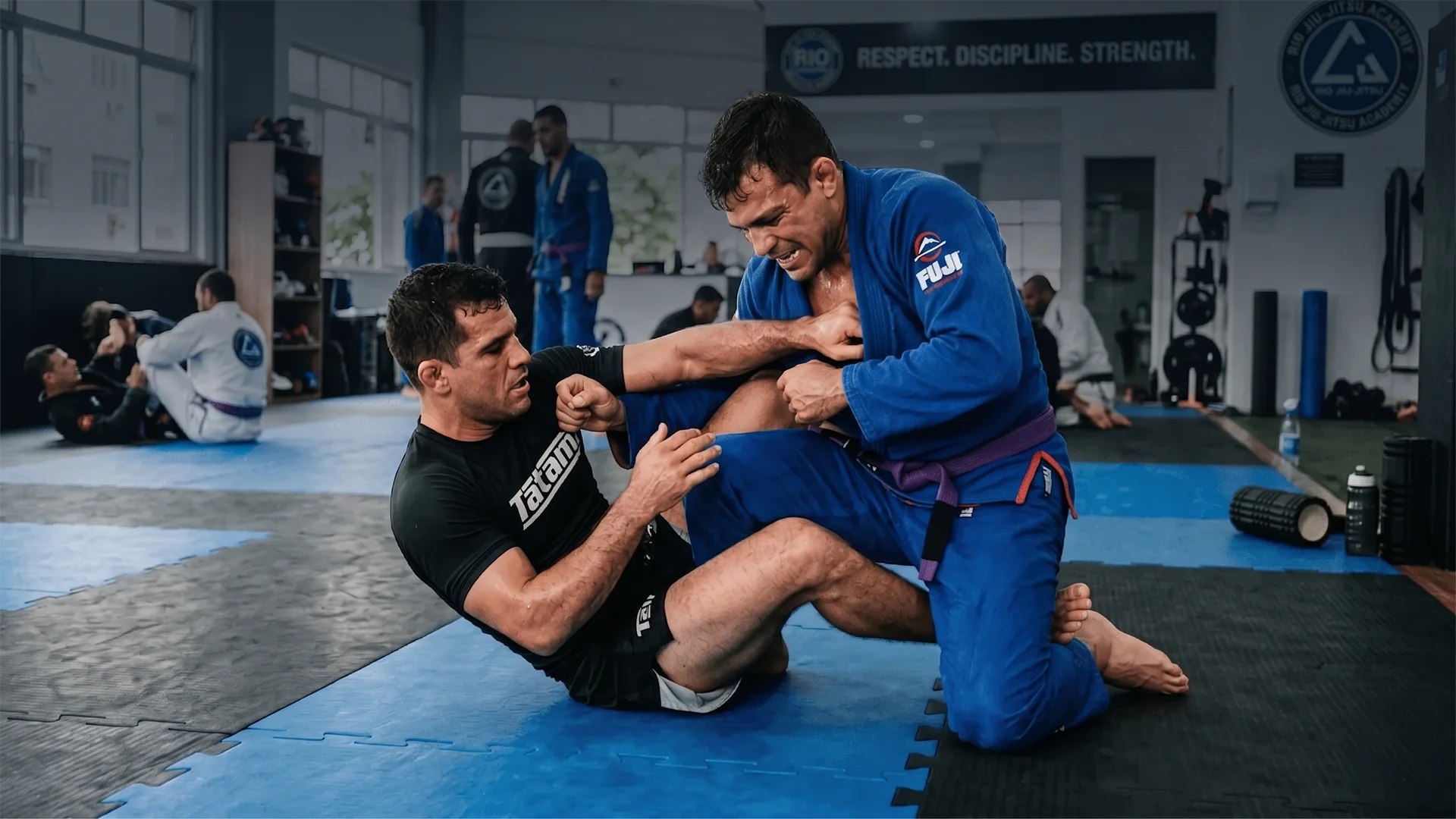
Transform your body and mind. Discover strength routines, essential drills, and the resilience needed to master the Jiu Jitsu lifestyle on and off the mat.
If you’ve already explored Why the Evolution of Jujutsu Still Shapes Modern Martial Arts and Brazilian Jiu Jitsu, you already know the history and foundations that make this system so powerful.
Brazilian Jiu Jitsu (BJJ) is more than just a martial art—it’s a transformative lifestyle. Even in 2026, BJJ continues to evolve, offering even more opportunities for personal growth, well-being, and community connection.
In this blog, we explore how this noble art shapes not only your body but also your mind and spirit, fostering vitality, confidence, and resilience. From its historical roots to modern-day applications, it offers something unique for everyone, regardless of age or experience.
Discover the physical and mental benefits, practical self-defense tips, and strategies to maximize your training.
Whether you’re here to refine your technique or embrace this path as a way of life, this guide will equip you with the tools and inspiration to achieve continued progress.
Welcome back to BJJGearAndWisdom.com
If you’ve already explored our detailed articles on the history and fundamentals of Jiu Jitsu, you’re aware of the rich tradition and evolution that define this system.
Now, let’s take a closer look at how this activity can positively influence your lifestyle and overall well-being—physically, mentally, and emotionally.
Additionally, we’ll share valuable insights and practical tips that are rarely found elsewhere — especially explained in this level of detail.
Our methods are based on intensive training, participation in expert seminars, and insights gathered from a large number of experienced instructors — making our advice both effective and up-to-date.
On this page, we’ll revisit and further explore the principles that enhance the quality of combat.
Brazilian Jiu Jitsu, often abbreviated as BJJ, is focused on ground fighting, leveraging techniques such as joint locks, chokes, and leverage to gain control over opponents.
This art evolved from traditional Japanese jujutsu and judo but gained its unique identity through the innovations of the Gracie family and other pioneers in Brazil.
This combat system originated in the early 20th century when Mitsuyo Maeda, a Japanese judoka, began teaching his methods to Carlos Gracie.
Carlos, along with his brothers—most notably Helio Gracie—adapted these approaches to create a system that became known as Brazilian Jiu Jitsu.
In addition to the contributions of Mitsuyo Maeda and the Gracie family, Oswaldo Fadda played a significant role in its development by promoting leg lock strategies and expanding the methodology beyond the elite circles of Brazilian society.
Today, it enjoys worldwide popularity, followed by a large and diverse community.
In 1925, Carlos Gracie founded the first Gracie Jiu Jitsu academy in Rio de Janeiro, marking the beginning of a distinct approach to Japanese jiu jitsu that would later become known worldwide.
During its formative years, the academy served as a hub for training, experimentation, and the development of a strong team culture. At the time, Helio Gracie was still very young, but he would later emerge as a pivotal figure, refining the system and helping shape what is now recognized as Gracie Jiu Jitsu.
Oswaldo Fadda, another pivotal figure in the history of this discipline, established his school in the working-class neighborhoods of Rio de Janeiro.
Fadda’s contributions, such as popularizing leg locks, helped make BJJ more accessible to broader segments of society.

In the early 1980s, Rorion Gracie, son of Helio Gracie, moved to the United States, specifically California, where he opened the first Gracie Jiu Jitsu school.
His mission was to promote Brazilian Jiu Jitsu and prove its effectiveness in combat. Rorion accomplished this through numerous demonstrations and open challenges and later co-founded the Ultimate Fighting Championship (UFC), which catapulted the style to global recognition.
During that period, he also began distributing video tapes, further sparking interest and expanding the reach of key techniques to a new audience.
This international exposure helped establish the BJJ black belt as a symbol of prestige in global martial arts circles.
In 1993, Rorion Gracie, alongside his business partners, founded the Ultimate Fighting Championship.
The inaugural UFC tournament aimed to showcase the effectiveness of various fighting styles in real combat scenarios. While marketed as a “no-rules” event, a few basic rules were implemented for fighter safety:
However, compared to modern MMA, the competition had very few restrictions:
Although billed as a “no-rules” competition, these minimal safety measures were in place. Compared to modern MMA standards, the rules of UFC 1 were exceedingly sparse, creating a raw, unregulated showcase of martial arts.
Rorion’s brother, Royce Gracie, participated in the first UFC tournament, defeating much larger opponents using Brazilian Jiu Jitsu.
His victories demonstrated the superiority of this grappling-based system, proving effective even against size and strength disadvantages.
The success of UFC 1, combined with widespread media coverage, allowed BJJ to become a global phenomenon.
The tournament’s explosive rise in viewership introduced millions of people around the world and inspired many to start training in it.
During the 1990s and 2000s, numerous Brazilian instructors relocated to countries worldwide, establishing academies and spreading the discipline far beyond its origins.
Beyond traditional Brazilian Jiu Jitsu with a gi, no-gi grappling has experienced a significant rise in popularity, driven by renowned tournaments, including ADCC and EBI.
Brazilian Jiu Jitsu performed without the traditional gi (kimono). Grapplers typically wear shorts and a rashguard, with methods differing slightly due to the absence of fabric grips.
One of the most prestigious no-gi grappling tournaments globally.
Renowned for bringing together elite athletes from various martial arts and grappling disciplines, ADCC emphasizes practical approaches suited for grappling without a gi.
A highly popular no-gi grappling tournament created by Eddie Bravo.
Known for its submission-only format and innovative rules, EBI focuses on finishes through joint locks or chokes rather than relying on points.
Elite athletes such as Gordon Ryan continue to push the boundaries of innovation, bringing new techniques to the sport.
BJJ coaches and competitors work closely with their teams, developing new strategies to adapt to evolving rules and competitive formats.
In 2026, the sport continues to grow through innovative instruction, online education, and a new generation of elite athletes.
With the rise of the internet, many coaches now offer online education and seminars, making high-quality resources accessible to students and practitioners worldwide.
However, one of the primary goals of this website is to save you months—or even years—of searching by guiding you toward the most valuable content, carefully curated based on firsthand experience.
I’ve invested significant time and money exploring various resources—some of which, while not necessarily inferior, wouldn’t make my top recommendations.
My mission is to make your journey easier, helping you get the most out of your time and investment as you explore this magical and ever-evolving world of psycho-physical development.
The evolution and global spread of BJJ is a story of innovation, adaptability, and resilience.
From the founding of the first academies in Brazil to its mainstream popularity through the UFC, this discipline has continued to grow and evolve, keeping pace with modern trends and technologies.
BJJ is more than just a global activity — it is a worldwide community that inspires millions to improve their physical, mental, and emotional well-being.
Modern Brazilian Jiu Jitsu is shaped by high-level competitions such as the IBJJF World Championship, ADCC, and EBI. These tournaments highlight the diversity, evolution, and innovation of the art through unique rules and competitive categories.

The IBJJF World Championship, also known as Mundials, is the most prestigious BJJ tournament in the world. It is organized by the International Brazilian Jiu Jitsu Federation (IBJJF) and brings together the finest athletes and competitors from around the globe.
The black belt divisions at IBJJF events often draw the most attention, showcasing elite-level skills and technical mastery at the highest level.

The ADCC is one of the most renowned tournaments in the grappling world, celebrated for its unique rules and inclusivity of various grappling styles. Unlike most competitions, ADCC permits BJJ, judo, sambo, and wrestling techniques, fostering diversity in approaches and tactics.
The EBI stands out for its innovative structure and unique rules prioritizing finishes over points.
Brazilian Jiu Jitsu tournaments, such as the IBJJF World Championship, ADCC, and EBI, provide a stage to showcase skills and shape the discipline’s evolution through their distinct rules and formats.
Each tournament brings unique challenges and strategies, ensuring continuous growth and keeping things dynamic.
No matter the style or preference, every practitioner can find a platform to test their abilities and advance in this respected discipline.

The role of women in Brazilian Jiu Jitsu is growing steadily, with an increasing number of female competitors and coaches.
Efforts to make the discipline accessible to everyone—regardless of gender, age, or condition—are advancing daily.
However, helping women—our mothers, sisters, colleagues, neighbors, and friends—fully embrace the benefits of this practice deserves special attention.
I aim to create a dedicated page that highlights how women can use BJJ to build confidence in their private and social lives while preserving their femininity and enriching their overall personality with added self-esteem.
When I mention “femininity,” some women may worry that practicing this discipline could diminish their subtlety, elegance, or sense of beauty.
On the contrary, it not only helps women become stronger and more confident but also empowers them to preserve and enhance their femininity.
This journey develops both physical power and inner stability, enabling women to become more resilient and confident while maintaining their natural grace and elegance.

The philosophical principles such as respect, discipline, and continuous learning—play a crucial role in shaping ethical behavior both on and off the mat.

Belt Ceremonies:
Reaching the black belt level is not only symbolic — for enthusiasts worldwide, it is considered a lifelong accomplishment.
The ethics and culture of Brazilian Jiu Jitsu are deeply rooted in the philosophical principles of respect, discipline, and continuous learning. These values define behavior during hands-on learning and influence how devoted individuals approach their daily routines.
This community’s unique ethical standards, traditions, and customs inspire students to carry these values into their daily actions, making it a one-of-a-kind self-defense practice that fosters holistic development—physically, mentally, and morally.
Mastering skills through playful practice not only helps relax the nervous system and build overall readiness, but also builds resilience in overcoming challenges.
When learning movements—many of which are intricate and detail-oriented—students unconsciously develop persistence by refusing to give up at the first sign of difficulty. This process nurtures mental toughness, helping individuals overcome mindsets such as:
Through Brazilian Jiu Jitsu, individuals build physical strength and a mindset that helps them overcome everyday obstacles with resilience and determination.

While Brazilian Jiu Jitsu thrives as a competitive sport, its roots and principles extend far beyond the mats. In this section, we will explore the distinction between using BJJ for competition and active living, as well as its role as a comprehensive preparation for defending against potential attacks on ourselves or those nearby. This is a topic deserving of a detailed analysis, including real-life examples from my personal experiences.
Protecting your own safety requires a serious and thoughtful approach.
Knowing whether and how to react in a dangerous situation can mean the difference between walking away safely or facing serious consequences. Although I’m not a competitor, I’ve unfortunately gained significant experience in real-world confrontations.
I grew up in a challenging environment and began practicing combat sports as a child to ensure my safety.
Over time, I learned how to de-escalate situations without resorting to direct conflict. This evolution shifted my perception of martial arts from a necessity to a meaningful pursuit, one that I deeply appreciate.
💡 My primary goal is to encourage you to realize that in a real fight, there are no winners.
While engaging in this practice is physically and mentally enriching, enjoyable, and beneficial, it’s unfortunate if someone, after years of studying this method of combat, cannot properly defend themselves without excessive use of force.
True mastery lies in understanding the psychology of aggressors and how to neutralize a situation without resorting to direct confrontation—leaving no one feeling humiliated. This elevated level of understanding is something I will explore in detail in a future article dedicated to Gracie Jiu Jitsu.
Even if you view Brazilian Jiu Jitsu purely as a sport, I will introduce you to approximately 40 self-defense strategies that will help you elevate your performance and prepare you to resolve conflicts in your favor in truly dangerous situations.
Watching professional MMA matches, I’ve noticed fighters losing bouts simply because they fail to utilize these methods.
Whether they don’t know them or don’t use them because they’re overwhelmed by the situation is unclear. However, if they do know them and still don’t apply them, it shows a disregard for the principles I emphasize — principles that could save them from devastating knockouts and missed opportunities at world titles.
The foundational purpose of martial arts should never be forgotten: to provide protection for yourself or someone in need when no other options are available.
Brazilian Jiu Jitsu is especially well-suited for self-defense because many real-life confrontations — whether in the ring or on the street — inevitably involve contact that very often ends up on the ground.
When that moment of contact occurs, you are prepared.
You can take your opponent to the ground, where the dynamics shift dramatically in your favor. The ground becomes your domain, and you become the predator, navigating an environment where every move your opponent makes presents you with an array of options to control or end the confrontation.
Whether you end the situation painfully or painlessly for your opponent depends on your level of mastery and understanding of the art.
I have to admit, it frustrates me when I see certain blue or purple belts temporarily taking over classes, for example when the regular instructor is absent or lower belts are running a younger group.
They often teach self-defense techniques with too much confidence and little real-life experience, acting as if they’re seasoned warriors.
Often, these are young athletes lacking real experience, who compensate for technical flaws with brute force in sparring to avoid being exposed.
Be cautious of such advice and its sources.
Sparring in the gym is one thing, competition raises the risk of injury, and fights in the ring can be extremely dangerous.
But a real street confrontation—where your safety is at stake—is an entirely different domain with its own set of rules, which we will address in a dedicated discussion.
Brazilian Jiu-Jitsu isn’t just a form of combat—it’s also a global sport that draws in both athletes and hobbyists from all corners of the world.
Competitions in this discipline are scored based on the technical execution and efficiency of fighters in various positions and situations.
Whether your interest lies in self-defense, competition, or individual progress, this martial art provides a platform to excel in multiple dimensions, offering a holistic path to becoming a stronger, more capable individual.
The most renowned Brazilian Jiu Jitsu competitions include the IBJJF World Championships, ADCC (Abu Dhabi Combat Club) Submission Wrestling World Championship, and numerous local and regional tournaments.
Rules vary across organizations but generally focus on awarding points for:
These rules encourage both precision and strategic decision-making, making BJJ a compelling sport to watch and participate in. Learning how to maintain or pass the guard is a fundamental part of strategy, allowing you to defend from the bottom or progress toward dominant positions.
The rise of Mixed Martial Arts, particularly through events like the UFC, has significantly contributed to the popularity of this grappling-based martial discipline. Many top fighters rely on grappling as a core component of their strategies, demonstrating its effectiveness on the global stage.
Athletes such as Marcus “Buchecha” Almeida have shown that a strong foundation in BJJ can lead to success across multiple combat sports.
What makes this discipline stand out is its inclusive nature. People of all ages and fitness levels can train and thrive, making it one of the most accessible forms of combat. From children learning discipline to seniors improving mobility and vigor, this journey offers a unique path tailored to each individual.
Before enrolling in a new gym, check if they use a structured curriculum and a tracking system—such as an attendance or progress card—to support systematic learning and belt advancement. A well-organized development program ensures that students progress with purpose, build strong fundamentals, and receive comprehensive instruction in Brazilian Jiu Jitsu techniques.
Brazilian Jiu Jitsu attracts individuals for a variety of reasons:
This versatility has solidified it as both a sport and a lifestyle.
For more insights into this martial art and its various facets, visit respected resources such as Jiu Jitsu Legacy and the Renzo Gracie Academy.
One of the most valuable aspects of practice is developing inner strength and composure. Mastering stress management and staying composed under pressure provides transferable tools for everyday challenges. In real-world scenarios, this mental resilience can prove critical.
A consistent workout routine builds your overall fitness and prepares you to protect yourself or others in immediate danger by enhancing strength, flexibility, and coordination. Many sport-based techniques translate effectively into practical personal protection situations. However, adapting these capabilities for real-world scenarios is crucial, such as avoiding reliance on grips or moves that depend on specialized clothing, especially when an attacker’s attire doesn’t allow it.
We are finalizing negotiations to secure a discounted rate for an exceptional course led by two of the world’s most renowned BJJ masters. These professors have developed innovative and highly practical choking techniques that use everyday clothing—like T-shirts, hoodies, and other casual wear—making them both accessible and effective for real-world situations.
👉 Sign up for early access and get:
We respect your privacy. You can unsubscribe anytime. No spam — only valuable updates about high-quality BJJ courses.
A key element of Brazilian Jiu Jitsu is the continuous practice and refinement of methods through sparring with a variety of partners.
This approach not only improves your proficiency but also enhances your intuition and ability to respond quickly to unexpected situations. These qualities are what make BJJ effective both as a sport and as a tool for safety and protection in real situations.
Brazilian Jiu Jitsu offers many physical, mental, and emotional benefits beyond combat classes. In addition to improving overall fitness, this discipline fosters personal confidence, reduces stress, and builds mental toughness.
Its social elements, such as cultivating community and forming meaningful friendships, greatly enhance the experience for community members. In this way, individuals become more capable of protecting both their own well-being and that of others, while embracing principles that guide them toward a healthier, happier, and more fulfilling daily experience.
Ultimately, Brazilian Jiu Jitsu is a comprehensive system of capabilities and principles that fosters physical, mental, and emotional growth. Whether you train for competition or for self-defense, the key is to continuously learn and adapt to fully harness the benefits of this art.

Practicing Brazilian Jiu Jitsu demands well-rounded athletic preparation, which involves power, endurance, flexibility, and technical precision. Each session in Brazilian Jiu Jitsu typically includes several essential phases such as warm-up, technical drills, sparring, and conditioning, with each one serving a unique purpose in the development of the practitioner.
Warm-up exercises are essential for getting your muscles and joints ready while minimizing the risk of injuries. A well-structured warm-up routine sets the tone for purposeful learning and is a vital part of every effective class. These sessions typically include:
These warm-ups also include specific grappling movements, such as:
These exercises not only loosen the body but also increase flexibility and mobility, creating a solid foundation for the technical work that follows.
As part of our Solo Drills section, I’ll include a link to a free resource featuring top-tier warm-up exercises tailored for Brazilian Jiu Jitsu.
Let’s take a moment to emphasize the value of learning and refining a range of skills, including positional transitions, joint locks, and chokes.
These drills are most often practiced with a partner, with a focus on:
Mastering proper methods is essential for efficiency in combat and injury prevention.
Prioritizing precision over force helps reduce strain on the joints and muscles. In doing so, it helps preserve mobility and vitality over time.
Sparring, or “rolling,” simulates real combat scenarios where practitioners apply what they have learned in a dynamic and realistic environment.
This essential aspect of BJJ develops:
Sparring sharpens your ability to adjust and respond to real-world situations, making it indispensable for progress in the sport.
Sparring not only develops reaction time and adaptability, but also helps refine techniques like sweeps, escapes, transitions, and more — giving the practitioner the ability to shift the momentum and take control of the fight.
Conditioning exercises are essential for enhancing endurance, flexibility, and overall physical resilience.
Common exercises include:
Exercises, including the Turkish get-up and kettlebell swings, are particularly effective for core stability, while movements such as deadlifts and squats enhance overall power and explosiveness.
These components combine to create a balanced, effective workout that supports both precision and overall readiness for grappling.
In Brazilian Jiu Jitsu, tailored physical preparation can significantly enhance performance, reduce injury risk, and improve overall efficiency.
Below are categorized exercise suggestions to help practitioners at all levels develop targeted strength and athleticism.
A strong grip is essential for breaking posture, maintaining control, and executing attacks with greater accuracy and efficiency.
Mastering Brazilian Jiu Jitsu demands a well-rounded approach that integrates multiple dimensions of physical and technical development.
Key Components of a Complete Session:
Conditioning: Develop endurance, flexibility, and full-range resilience.
Consistently tracking progress and adapting your routine are essential for achieving optimal results while minimizing the risk of injury.
With dedication and a structured approach, practitioners can unlock their full potential in Brazilian Jiu Jitsu.
No matter how often it’s emphasized, the necessity of proper warm-up and stretching before practice cannot be overstated. This crucial element is often overlooked or performed incorrectly, leading to unnecessary risks and reduced effectiveness during sessions.
Warming up with drills from the previous session, like Tomoe Nage (illustrated below), may not adequately engage the necessary muscle groups or provide sufficient cardiovascular stimulation.

Include exercises that target all major muscle groups, such as:
After general warm-up exercises, transition into grappling-specific drills, such as:
By incorporating comprehensive warm-up routines—combining cardio, dynamic stretching, and BJJ-specific drills—you ensure your entire system is fully prepared for the demands ahead.
This not only minimizes injury risk but also enhances your overall performance on the mat.
For those looking for structured guidance, this comprehensive guide serves as a complete instructional resource, aiming to simplify the learning process, provide reliable information, and help students achieve high-quality knowledge with minimal effort.

Solo drills are an essential aspect of practice for Brazilian Jiu Jitsu enthusiasts who want to prepare for sessions, refine techniques, and stay in shape even without access to a partner or gym.
These exercises are also excellent for restoring performance and bringing back ease of movement after an injury.
Solo training allows individuals to make significant progress in key areas such as movement, explosiveness, and proper body alignment — often even more than what can be achieved in group classes, where limited time makes it difficult to concentrate on finer details.
Solo drills improve coordination, flexibility, and overall physical readiness while allowing individuals to refine specific technical aspects they may not have mastered during group sessions.
These drills also aid in developing muscle memory, which is critical for performing learned movements instinctively during sparring.
Description: This drill simulates escaping from a bottom position. It helps build stronger hips and increases body awareness.
Application: Shrimping is used to create distance between you and your opponent. Variations include:
These variations can be adapted based on the available space and specific needs.
Description: A movement that mimics shifting weight and reversing an opponent. This motion enhances explosive power and spinal flexibility.
Application: Bridging is vital for escaping disadvantageous positions, such as side control or mount.
Description: A solo simulation of grappling, where practitioners visualize an opponent while performing sequences of movements and transitions. This develops fluidity and technical precision.
Application: Shadow rolling helps individuals build a sense of movement and strategy without the risk of injury.
Solo drills are an invaluable resource for any practitioner.
They provide:
Incorporating these drills into your routine can significantly enhance your Brazilian Jiu Jitsu performance, both in sparring and in competitive environments.
Famous coach John Danaher frequently shares his insights and solo drills through online platforms.
His free video resources offer invaluable tools, emphasizing detailed technical aspects that practitioners can integrate into their routines. These videos are an excellent way to learn and refine techniques that can be practiced at home.
My highest recommendation is this free video on solo drills, generously offered by the incredible Bernardo Faria and the legendary John Danaher.
👉 Self Master Solo BJJ Training Drills by John Danaher
Don’t miss this video – it’s free but invaluable!
Solo drills are a critical component of any serious grappling program.
They enable students to:
Regularly incorporating solo drills into your routine can significantly improve your overall performance on the mat.
Whether you’re refining your skills, improving mobility, or maintaining fitness between sessions, solo drills are an irreplaceable part of your BJJ journey. To truly master these movements, they need to be practiced consistently through both solo and partner drills.
A well-designed comprehensive functional fitness program for Brazilian Jiu Jitsu focuses on enhancing on-mat performance through the development of functional muscle mass, greater endurance, increased flexibility, and injury prevention.
Key Exercises: Deadlifts, squats, and bench presses form the foundation for power development. These movements help build muscle mass and explosive force, which are crucial for BJJ.
Programming: Perform 3–5 sets of 4–6 reps using weights near your maximum effort.
By incorporating these exercises and training strategies, you can expand your athletic potential, leading to improved performance in Brazilian Jiu Jitsu.
Include two weekly high-intensity sessions, such as the Tabata protocol (20 seconds of maximum effort followed by 10 seconds of rest, repeated 8 times).
Many BJJ masters and conditioning coaches have developed tailored programs for athletes. These often include:
Integrating this structured approach into your routine boosts muscle capacity, stamina, and injury resilience — helping you perform at your peak on the mat.
Incorporating strength and mobility drills into your weekly class plan ensures steady, measurable progress.

Brazilian Jiu Jitsu offers an extraordinary transformation, enhancing both physical and mental well-being. Regular practice increases muscular resilience, endurance, and flexibility while promoting mental health and self-confidence.
This martial art provides a full-body workout that increases endurance and muscle power through continuous engagement in ground fighting, resulting in improved overall functional capacity.
Muscle Groups: Abs, lower back, and leg muscles are balanced and evenly fortified.
Everyday Benefits: Better overall fitness makes daily tasks easier, such as carrying heavy items or climbing stairs.
BJJ greatly boosts cardiovascular endurance:
High-Intensity Nature: This activity elevates heart rates, enhancing both aerobic and anaerobic endurance.
Weight Loss and Recovery: Incorporating High-Intensity Interval Training (HIIT) into sessions maximizes metabolic benefits and speeds up recovery between rounds.
Dynamic movements in this discipline naturally enhance flexibility:
Wide Range of Motion: Sweeps and guard passes demand flexibility, increasing agility and injury prevention over time.
Injury Prevention: Greater flexibility minimizes ligament and joint injuries during technical application and in daily activities.
Regular practice in this style leads to significant changes in physical structure:
Fat Reduction: Intense sparring effectively burns calories, helping you achieve a lean physique.
Muscle Gain: Muscle tone and mass increase with consistent participation.
Note: Proper nutrition is crucial for achieving these results; poor dietary choices can hinder progress.
BJJ boosts confidence and mental resilience:
Sense of Achievement: Progress through the belts and the acquisition of knowledge in this challenging and unique discipline builds confidence.
Stress Management: Mastering new locks, submissions, and transitions is not only inspiring and enjoyable but also helps take your mind off everyday stress, even if just for a while.
This practice is an excellent outlet for stress relief:
Mental Engagement and Presence: Concentration during sessions provides a mental break from daily concerns.
Emotional Clarity: Many practitioners report feeling “reset” after intense sparring sessions, which helps tackle everyday demands.
BJJ enhances discipline and mental strength:
Consistency and Patience: Applying defensive strategies builds persistence and enhances awareness on and off the mat.
Work Habits: Consistency in exercising fosters better habits and productivity.
Proper nutrition complements your performance:
Nutrition Strategy: Emphasize whole foods rich in proteins, healthy fats, and complex carbs.
Examples: Chicken, fish, vegetables, and whole grains support muscle recovery and provide energy for intense physical effort.
Adequate recovery ensures sustained progress:
Essentials: Prioritize sufficient sleep, hydration, and active recovery (stretching and massage).
Injury Prevention: Maintain your musculoskeletal system in peak condition for continuous improvement.
By integrating these principles into your BJJ routine, you can experience a well-rounded transformation that improves your conditioning and sharpens your mental clarity.
A complete approach to training ensures long-term progress, covering all aspects from fitness to strategy. Embrace the journey, stay consistent, and enjoy the profound changes that dedicated commitment to this discipline brings.
For more insights into the physical and psychological benefits of this discipline, visit resources like DoveMed and Sports Medicine – Open.
One of the standout benefits of Brazilian Jiu Jitsu is its high calorie-burning potential. A typical session can burn between 600 and 1,000 calories, depending on the intensity and duration, making it an excellent choice for those looking to lose weight and improve overall fitness.
Workouts in this martial art involve dynamic movements, high-intensity drills, and sparring sessions that engage the entire body.
Sparring Efficiency: Known as “rolling,” sparring can burn between 500 and 1,000 calories per hour, depending on the intensity.
Constant Movement: During high-intensity sessions, grappling and continuous movement demand substantial energy expenditure, leading to significant calorie burn.
In addition to calorie burning, this practice aids in weight management by promoting healthy habits and increasing muscle mass.
Muscle Mass Impact: Greater muscle mass elevates basal metabolic rate (BMR), allowing more calories to be burned even at rest.
Sustainable Results: Consistent physical activity helps build and maintain muscle, supporting long-term weight management.
To achieve maximum results, progress is widely tracked using fitness apps and nutrition journals.
Heart Rate Monitors: Devices such as WHOOP or Fitbit track metrics such as heart rate and overall weight to provide accurate calorie burn data during class.
Metabolism Acceleration: Greater muscle mass increases calorie burn, even at rest.
Incorporating strength exercises further enhances overall caloric expenditure.
Proper nutrition and hydration are essential for optimal performance and calorie burning:
Balanced Meals: Consuming meals rich in proteins, complex carbohydrates, and beneficial fats ensures sustained energy during intense sessions.
Hydration: Staying hydrated before, during, and after sessions boosts performance and supports recovery.
To maximize calorie burning, maintain high intensity during workouts, actively recover during breaks, and gradually increase session frequency:
High-Intensity Workouts: Push the limits during sessions to keep your heart rate elevated.
Progressive Overload: Gradually increase the difficulty of drills and sparring sessions to keep pushing your limits.
Brazilian Jiu Jitsu is a highly effective way to burn calories, lose weight, and boost total physical readiness.
By combining regular workouts with balanced nutrition and careful progress tracking, it’s possible to achieve outstanding results in calorie burning and overall well-being.
Stay consistent, monitor your efforts, and enjoy the transformation that comes with this journey.
Keeping track of the latest BJJ news can also help you stay informed about upcoming tournaments and emerging trends in the sport.
As with any demanding activity, Brazilian Jiu Jitsu carries risks such as sprains, strains, and joint issues.
However, with proper execution of designated movements, adequate warm-up routines, and respect for training partners, the risk of injury can be significantly reduced.
If an injury occurs, seek medical advice and follow the rehabilitation plan provided by a specialist.
Physical therapy, along with muscle conditioning and flexibility exercises, helps restore full functionality and prevent recurrence.
Treatments such as osteopathy, dry needling, and rehabilitation exercises aid in recovery and help restore optimal mobility and function.
Coaches and Mentors:
Experienced instructors provide vital guidance on proper methods and preventive measures.
Adhering to their advice ensures a safer and more effective application.
Shoulder Injuries:
Types: Rotator cuff strains, dislocations, and impingement syndromes.
Prevention: Strengthen shoulder muscles and use correct approaches during grappling and submissions.
Neck and Back Injuries:
Types: Herniated discs, spasms, and strains from improper positioning and excessive pressure.
Prevention: Strengthen the neck and back, and maintain proper posture during training.
Although injuries can occur in BJJ, implementing the following strategies significantly reduces the risk:
Adhering to proper methods
Incorporating warm-ups and stretches
Additionally, regular education and consultation with experts ensure long-term safety and improvement in the sport.
As someone with over 40 years of martial arts experience, I can confidently say that by following these principles, I have never suffered a serious injury.
Minor issues, like bruised ribs, have occurred, but no major injuries.
By adopting these preventive strategies, you can train safely and enjoy the immense benefits of Brazilian Jiu Jitsu for years to come.

Sparring, or “rolling“, is a cornerstone of Brazilian Jiu Jitsu. During sparring sessions, practitioners test their proficiency in a controlled environment, refining their abilities and strategies.
Note: A dedicated section on Gracie Jiu Jitsu sparring techniques will explore this topic in detail.
Professors play a key role in supervising sparring sessions to ensure a safe and supportive environment.
Sparring teaches grapplers how to analyze opponents and adapt strategies in real-time.
Sparring with diverse companions exposes individuals to a range of styles and approaches.
Sparring is not only essential for developing individual proficiency but also contributes to the evolution of BJJ.
By integrating realistic scenarios, fostering adaptability, and prioritizing safety, sparring serves as the ultimate testing ground for techniques, strategies, and mental fortitude.

Brazilian Jiu Jitsu emphasizes skill and strategy, but like any demanding practice, it carries certain risks of injury.
However, these risks can be greatly reduced with proper precautions and guidance from certified trainers.
Cause: Twisting and pressure during grappling and submission attempts.
Cause: Actions such as the Kimura and Americana place significant stress on the shoulder joint.
Cause: Pressure during grappling.
Prevention: Over time, the body adapts to the demands of BJJ, reducing the likelihood of these injuries.
While injuries are possible, the physical and mental benefits of BJJ far outweigh the risks when approached responsibly.
It builds mental toughness and confidence, positively impacting all areas of personal development.
Injuries in this practice are not as frequent as perceived and can happen in any high-effort activity.
Avoid excessive force. Proper movements require knowledge, not brute strength.
Yes, BJJ can be extremely dangerous to an opponent if misused. Movements, if applied with excessive force, can cause severe injuries or even potentially fatal outcomes.
By following these guidelines, Brazilian Jiu Jitsu can be both safe and highly rewarding, allowing students to maximize its benefits while minimizing risks.
💡 Before diving into the practical insights below, here’s a quick framing of why these points matter in the context of BJJ as a holistic approach to health, mindset, and everyday life. Whether you’re refining your techniques, building physical resilience, or cultivating mental clarity, these questions and tips encapsulate the core lessons from this final blog in the series.
Situational Awareness – This art teaches you to respond appropriately in any scenario, applying the right level of force based on the situation and environment.
Mastering Breath Control and Concentration – Practicing controlled breathing fosters mental clarity, composure, and precision during movements.
👉 Continue exploring the full series:
See tips 1–47: Jiu Jitsu Life Lessons, Mindset and Training Principles.
See tips 48–68: Brazilian Jiu Jitsu Training Principles, Safety and Sparring Tips.
BJJ provides a full-body workout, improving cardiovascular health, muscle strength, and flexibility.
Regular practice contributes to weight loss and better overall physical fitness.
BJJ reduces stress, enhances self-confidence, and improves problem-solving skills.
By staying calm under pressure and adapting to challenges, practitioners develop mental resilience that can be applied in everyday life.
Absolutely! BJJ accommodates individuals of all ages and fitness levels.
Techniques are adjustable, making it accessible for children, adults, and seniors alike.
Focus on proper technique, perform thorough warm-ups, and communicate clearly with partners.
Using hygiene practices and keeping equipment clean is vital to prevent skin infections.
BJJ focuses on control and submissions, allowing you to neutralize an opponent without excessive force.
Techniques like the triangle choke or guillotine are effective and safe, targeting airflow or blood flow instead of relying on strikes.
The ‘BJJ lifestyle’ includes adopting healthy habits, prioritizing continuous learning, and fostering a supportive community.
These elements promote personal growth both on and off the mats.
Stay consistent, prioritize fundamental techniques, and seek advice from experienced instructors.
Gradually building skills ensures steady progress while maintaining safety.
Brazilian Jiu Jitsu is much more than a sport — it’s a way of life. It’s a comprehensive system that strengthens your body, sharpens your mind, and builds emotional resilience through disciplined training, mental clarity, and strategic movement.
By embracing BJJ, you become part of a global community that supports your growth — both on and off the mats. Whether you’re aiming for personal development, physical excellence, or self-protection, this journey will challenge and elevate you.
🚀 Future blog entries will dive even deeper into advanced topics, techniques, and strategies to help you elevate your skills. Stay tuned, and begin with these essential reads!
🛡️ Strengthen your body, center your mind — and let BJJ guide you toward your best self.
Train consistently, take care of your body and mind, and remember: the true power of BJJ is in its impact on your long-term health and mindset.
📎 Your feedback means the world — it helps me improve future content and better serve the BJJ community.
Did you find this post helpful? Click below to share it with someone who might benefit from it!
Brazilian Jiu Jitsu is not something you understand in a single day — it is a lifelong process of learning, adapting, and growing both on and off the mat.
Keep training, stay curious, and continue exploring the art one step at a time.
In the next articles, we’ll dive deeper into Brazilian Jiu Jitsu techniques, training methods, common mistakes beginners make, and how to progress faster on your journey.
More guides and BJJ resources are coming soon.
Show Up — the Mat Will Teach the Rest
Ossss!